
How a Drip Becomes a Disaster
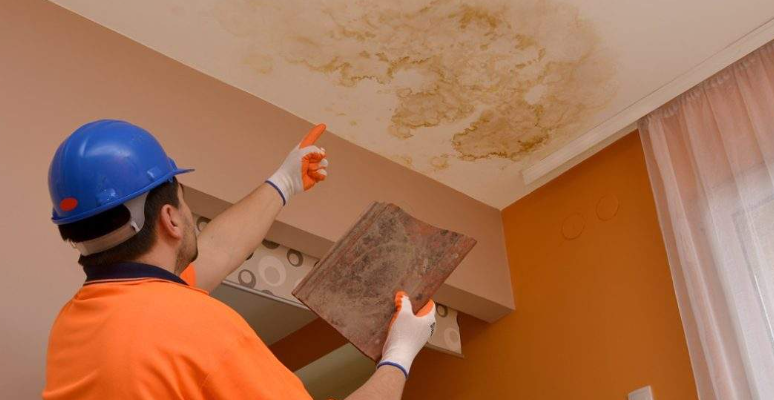
I once watched a homeowner in Coventry Hills break down crying in her own living room. Not because of the brown stain on her ceiling — she’d been looking at that for eight months and had gotten used to it. She cried because the contractor who finally came out told her the repair was going to cost seventeen thousand dollars. The stain had been a clue. Underneath it, her attic insulation was soaked, three sheets of roof decking had turned to mush, black mould had colonized two rafters, and the drywall in the upstairs bedroom was about a week away from falling in.
Eight months earlier, that same problem could have been fixed for about four hundred bucks. A section of failed flashing and a couple of compromised shingles. That’s it. But the bucket-under-the-drip approach kicked in, the way it does for so many people, and by the time anyone got around to calling a roofer, the damage had spread through the entire roof assembly.This is why addressing a minor leak repair in Calgary the moment you see a spot is the smartest financial move a homeowner can make.
Water Travels Farther Than You’d Ever Guess
Here’s what most people don’t realize about roof leaks. The spot where you see the drip on your ceiling is almost never directly below the spot where water is entering the roof. Water is lazy and opportunistic. It enters through a gap in the flashing or a cracked shingle, then runs sideways along a rafter. It pools on top of the vapour barrier. It soaks horizontally through insulation. It might travel six or eight feet from the entry point before finding somewhere to drip through the ceiling.
That means the area of damage inside your roof is always bigger than the stain suggests. By the time water makes itself visible in your living space, it’s already been soaking into wood, insulation, and other materials for weeks or months. The stain is just the final stop on a journey that started somewhere else entirely.
Your Insulation Dies First — And Your Heating Bill Notices
The first casualty of a roof leak is almost always the attic insulation. Fibreglass batts lose their effectiveness the moment they get wet. They compress, clump together, and never fully recover their original R-value even after drying out. Cellulose insulation is even worse — it absorbs water like a kitchen sponge and becomes a perfect environment for mould growth.
In Calgary, attic insulation is doing critical work from roughly October through April. That’s seven months where your heating system is fighting to keep the house warm, and the insulation is the main thing standing between your furnace and the freezing air above the attic. Degrade that insulation with water and your gas bill goes up. Not dramatically at first — maybe an extra fifty or eighty bucks a month — but consistently, and it adds up over a winter season. Most people don’t make the connection between the stain on their ceiling and the creep in their energy costs, but the two are absolutely linked.
Mould Doesn’t Wait Around
Mould needs three things to get established: moisture, warmth, and an organic food source. A leaky attic in Calgary provides all three. Water supplies the moisture. Heat rising from the house below provides warmth. Wood sheathing and rafters provide the food. Under the right conditions, mould can start colonizing a surface within 48 hours of it getting wet.
And Calgary’s wild temperature swings create the right conditions more often than people think. Warm air in the attic holds moisture. When that warm air contacts a cold roof deck in winter, it condenses. Add an active leak dripping more water into the mix and you’ve built a mould incubator.
Black mould on roof sheathing isn’t just cosmetic. For people with asthma, allergies, or any kind of respiratory sensitivity, it’s a genuine health risk. Professional mould remediation in an attic space runs anywhere from three to eight thousand dollars depending on severity. The crew has to contain the space, remove affected materials, treat surfaces with antimicrobial solutions, and sometimes rebuild sections of the roof structure. Compare that to the cost of fixing the leak that caused it, and the numbers are almost absurd.
See also: Home Maintenance News: Trends in Leak Prevention Technology
Wood Rot Is Slow But Relentless
While mould moves fast, wood rot takes its time — but the end result is just as destructive, sometimes more so. The plywood and OSB sheathing that make up your roof deck start to soften and separate when they’re exposed to persistent moisture. Press on a water-damaged section and your thumb goes right through it. That sheeting is supposed to be the solid foundation that your entire roofing system sits on. Once it’s compromised, everything above it is compromised too.
Worse still, the rot can spread to the rafters and trusses — the structural skeleton of your roof. Replacing a few sheets of rotten decking during a repair is manageable. It adds a few hundred dollars per sheet. Replacing structural rafters is a completely different job. You’re talking about temporary supports, structural engineering, custom lumber, and a price tag that can easily climb past ten thousand dollars.
The Domino Effect That Catches Everyone Off Guard
What makes ignored leaks so financially devastating is the cascading nature of the damage. It doesn’t stay contained. A small leak wets the insulation. Wet insulation loses its thermal barrier. Without that barrier, more condensation forms on the cold roof deck. More condensation accelerates wood deterioration. Deteriorating wood opens up more gaps for water. Each stage of damage creates the conditions for the next stage.
I’ve seen this cycle play out dozens of times, and it always surprises homeowners how quickly a minor issue escalates into a system-wide failure. The $300 fix becomes a $3,000 fix becomes a $15,000 fix, and the only variable is time.
Electrical Hazards Most People Never Consider
Your attic probably has wiring running through it — junction boxes, connections for ceiling light fixtures, maybe a bathroom exhaust fan motor. Water and electrical wiring are a combination nobody wants. Moisture on wire connections can cause shorts. Water in junction boxes creates fire risk. A slow drip hitting a light fixture housing might not trip a breaker immediately, but it’s a hazard that’s working quietly in the background.
If you know or suspect a leak is anywhere near electrical components in your attic, that changes the urgency level from “I should call someone soon” to “I need to call someone today.”
What Buyers See When You Try to Sell
Almost every home sale in Calgary includes a professional inspection, and inspectors are trained to find evidence of water damage. Stained ceilings, even repainted ones, get flagged. Patches in drywall near the roofline get flagged. Musty attic smells, visible mould, discoloured wood — all flagged. Buyers use these findings to negotiate the price down, demand repairs as a condition of closing, or simply walk away.
A roof leak that costs a few hundred to fix today can knock tens of thousands off your sale price if it leaves behind visible evidence. Even repaired damage raises questions in a buyer’s mind about what else might have been neglected.
Your Personal Belongings Are in the Line of Fire Too
A slow leak above a closet ruins a wardrobe. Water reaching stored boxes destroys photo albums, documents, and electronics. A persistent drip that nobody notices warps hardwood flooring. These losses are sometimes covered by insurance and sometimes not — and even when they are, the deductible and the hassle and the sentimental loss of irreplaceable items make it a terrible deal.
The Math Only Gets Worse
Every week you wait, the number goes up. A flashing repair or a few replacement shingles might run you two hundred to five hundred dollars. Six months later, you’re looking at new decking, mould remediation, insulation replacement, drywall repair, and repainting. A year later, structural framing might be involved. There is no scenario where waiting makes a leak cheaper to fix. Not one.
If you’ve noticed anything — a discolouration on the ceiling, a musty smell in the attic, damp insulation, paint bubbling near the roofline — call a roofer and get it assessed. Not next month. Not after the holidays. Now. The price only goes in one direction, and it’s the wrong one.


 By
By


 By
By